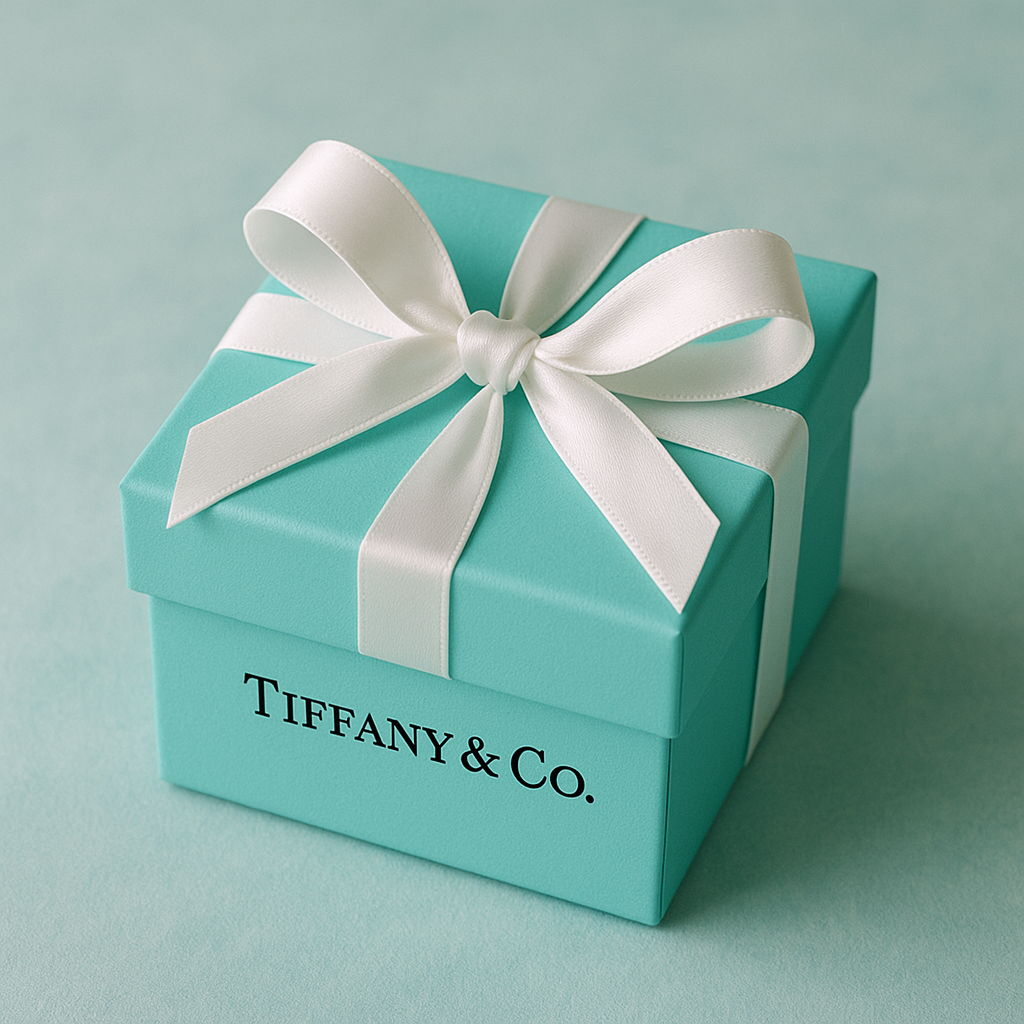
Show a robin’s egg blue box to most people, and they’ll think “Tiffany.” Women’s shoes with red soles scream “Christian Louboutin.” Pink clothing? “Barbie.”
Three brands, one commonality: owning a color.
There are roughly 10 million colors and shades, and in the public imagination, these companies own one. Pretty slick trick, eh?
The importance of branding with colors, fonts, logos, style, attitude, and tone can’t be overstated. Combined, they announce to the world who and what you are, providing cues to customers, prospects, media, investors and team members.
YOU will see up to 10,000 marketing messages in the next 24 hours in the form of ads, business cards, and logos. From Apple to McDonald’s to Starbucks, everyone wants your attention.
With all that competition for your eyeballs, you must do something to stand out from the crowd, which returns us to the importance of color.
UPS brown. John Deere green. That color branding creates instant recognition. These companies invest millions over decades, turning a hue into a visual handshake. Eventually, consumers associate the color with the brand before even reading the company’s name.
By the way, Pantone 1837 — officially known in the color world as “Tiffany Blue” — is trademarked by Tiffany. The firm was founded in 1837. Fast forward 190 years, and the mere glimpse of that box triggers thoughts of elegance, luxury, and, if you’re lucky, a sparkling gift inside.
And yes, Christian Louboutin famously trademarked the red sole on his high-heeled shoes. That specific shade of red — Pantone 18-1663 TPX — is legally protected in the fashion world. Veuve Clicquot trademarked their signature yellow-orange label.
To be clear, though, not every use of a color can be protected. You may use red, white and blue, but the American flag will probably come to mind first.
When it comes to your marketing, a color must be distinctive enough to identify your brand. Courts have ruled that generic colors (like red for soda or blue for banks) are too familiar to be registered as trademarks.
But when a brand invests substantially to build recognition, it’s possible to earn legal protection and emotional resonance.
Making that color not just decoration, but intellectual property. And for the lucky few, it’s worth its weight in gold — or robin’s egg blue.
With that said, I wish you a profitable week in marketing.
Get your branding right. See lots of green. https://amzn.to/4hoslft.
About the Author: Rob Weinberg